05 · Global Health Foundation (under NDA) × Ideate Innovation
Maternal Health Supplement Research
Qualitative research into why low-income pregnant women in Pakistan start, skip, or stop prenatal supplements, and what it means for the products meant to help them.
- Sector
- Healthcare / Research
- Role
- UI/UX Design Lead & Researcher
- Type
- Qualitative research · Synthesis · Personas & journeys
- Year
- 2026
- Tools
- FGDs, interviews, home observation
Delivered through Ideate Innovation for a global health foundation under NDA. The end client and research partner are not named, and specific figures, locations, and recommendations are generalised in line with the study's confidentiality terms. Personas are composite archetypes drawn from aggregated findings.
Overview
A qualitative research project examining why low-income pregnant women in Pakistan start, skip, or stop taking prenatal supplements. This is the Pakistan arm of a wider multi-country study, commissioned by a global health foundation (anonymised under NDA) through Ideate Innovation.
Jump to outcome ↓The Problem
The easy assumption is that women miss doses because they forget. The research found something harder: a missed dose is usually a rational response to a real constraint: the clinic gave three days' supply and the next dose costs money the household doesn't have, the iron tablet causes a burning that taking it with milk only hides, an elder believes the pills will make the baby too large, or there is simply no energy left after a day of labour. So the question for the product wasn't how to remind women. It was how to fit a supplement into lives defined by financial strain, medical fear, and family decision-making, so that taking it stops being a thing to decide.
When there is more trouble, one feels like taking medicine. But when there is no reach, then I leave it.
Study participant, anonymised
Approach
- 01
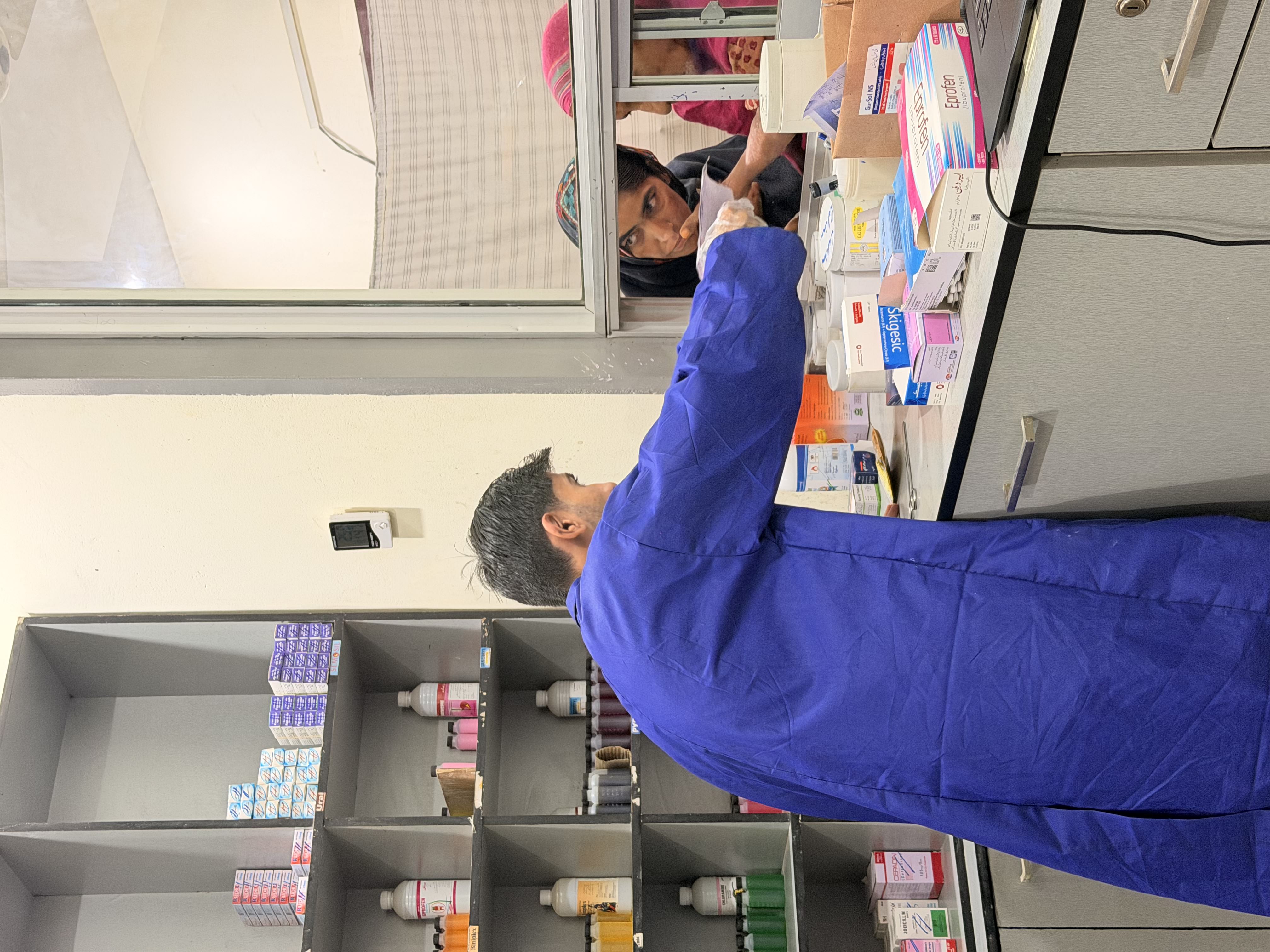
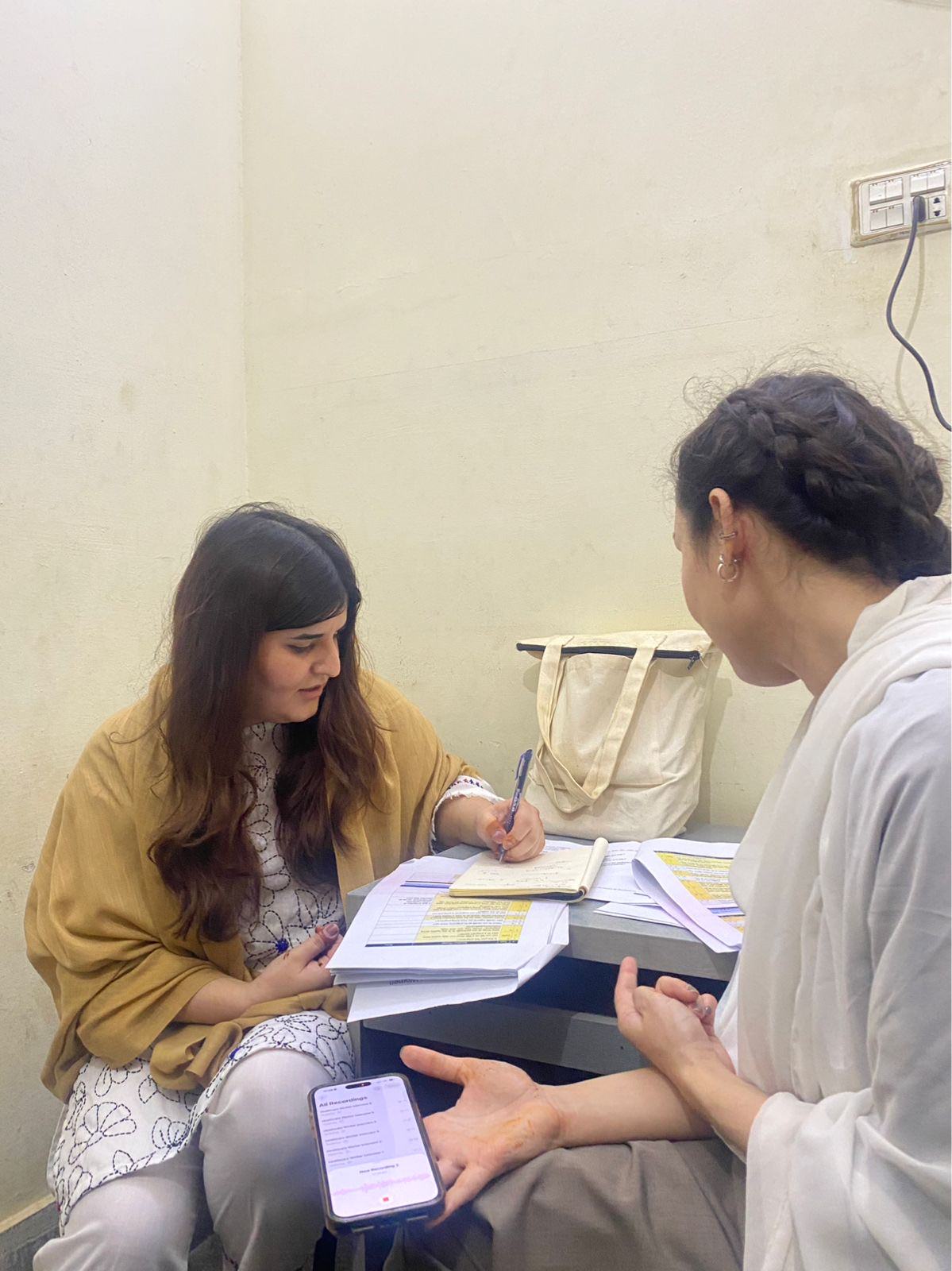
Went into homes, not surveys: 36 in-depth interviews with pregnant women, 4 co-creative focus groups, 10 influencer interviews (husbands, mothers-in-law, sisters), 10 community health worker interviews, and 10 in-home observations of real routines.
- 02
Mapped a real day to find where a dose could realistically land, then mapped the decision path for irregular users to find exactly where the product loses them.
Grounded in research
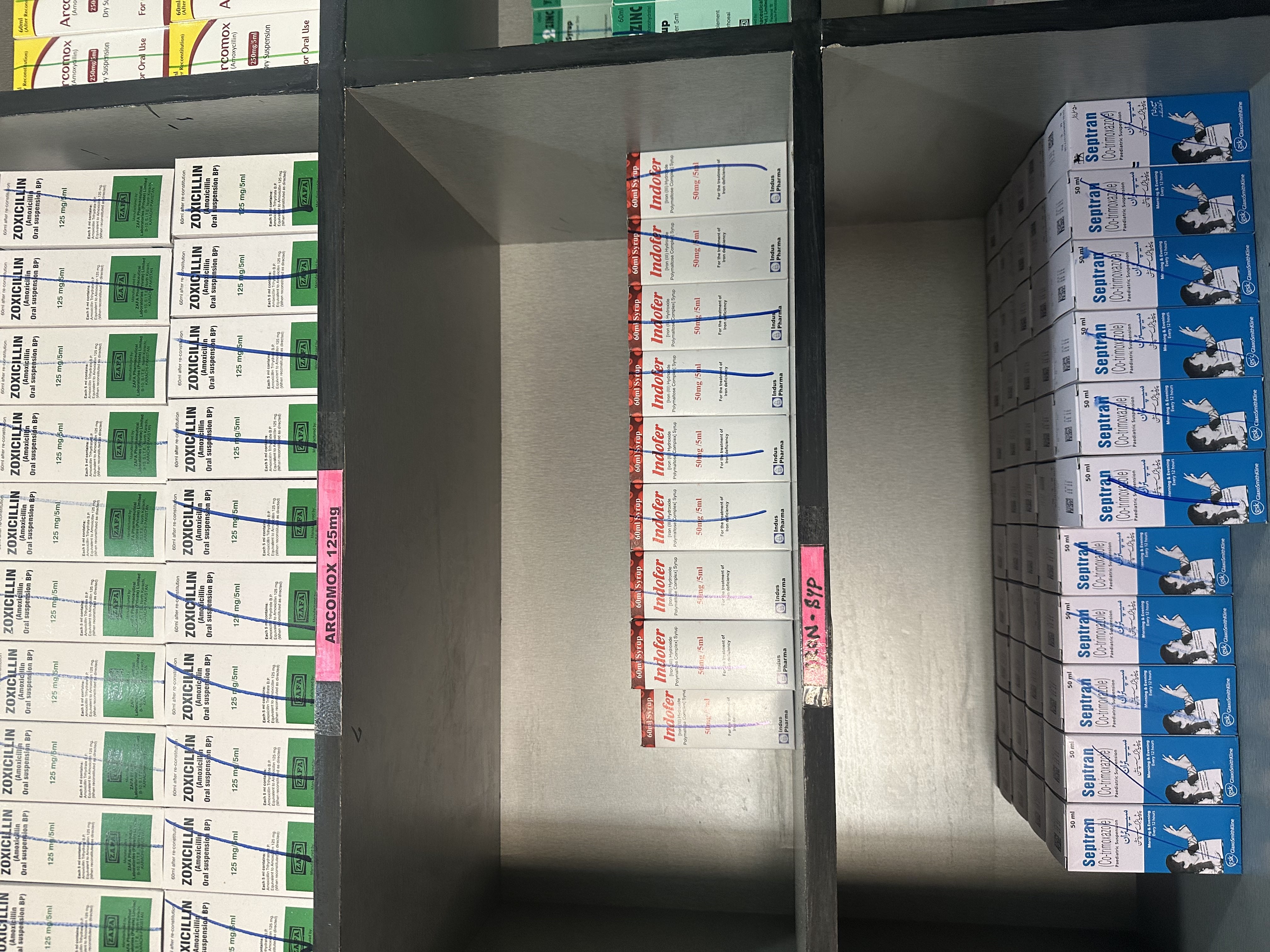
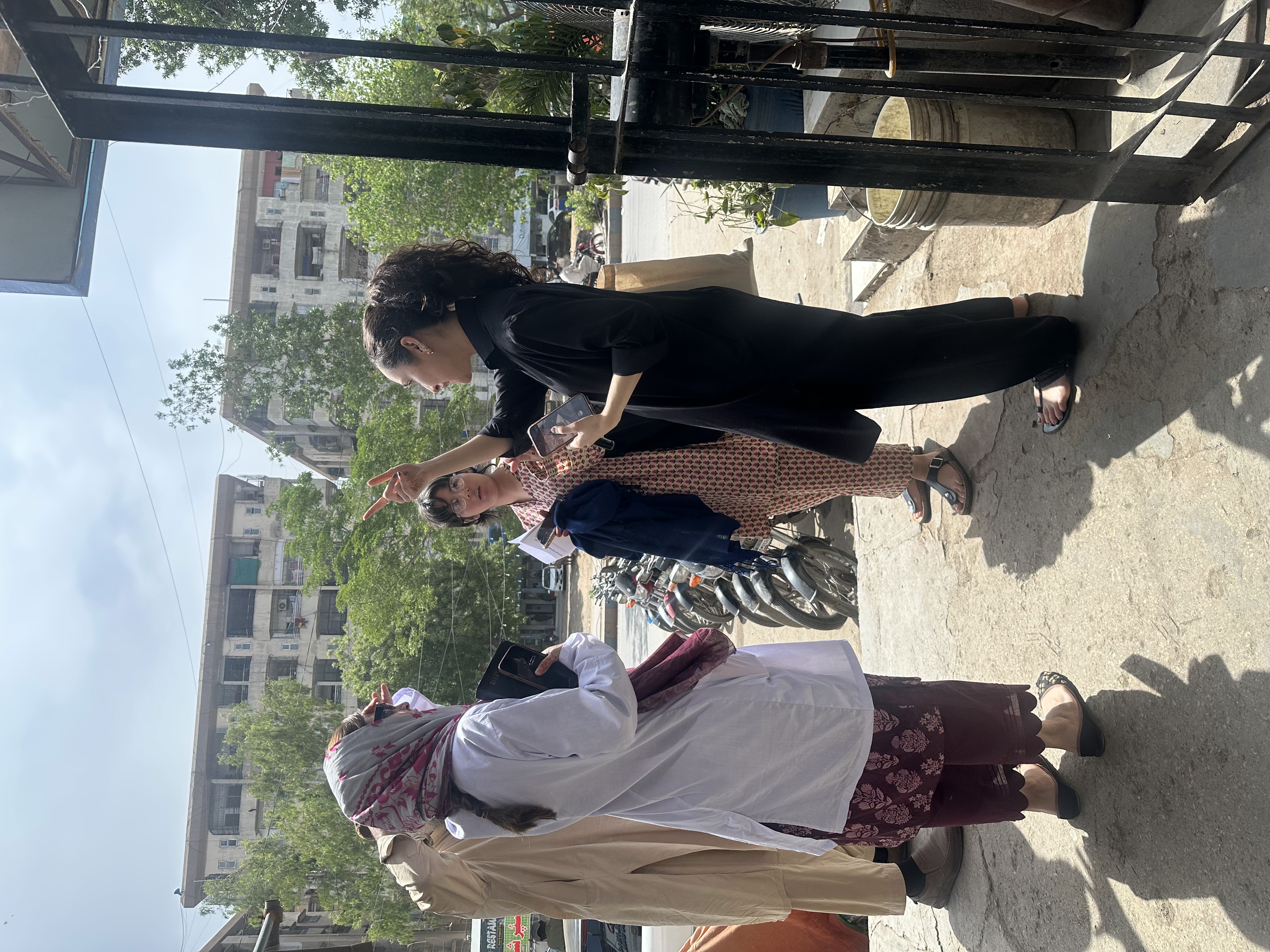
The fieldwork happened in homes, not on survey forms: sitting with women through a routine day, not just asking about it. That meant real neighbourhoods, real kitchens, real interruptions, and the kind of detail a structured questionnaire never surfaces. One participant put it plainly: “Since I started the medicine, I feel a bit better. Yesterday I did not lie down the whole day. I did all my work, made food, and did the cleaning.” — Parveen, 34, Majeed Colony.
Three women the product has to work for
Composite archetypes, built from the interviews. No real individuals are shown.
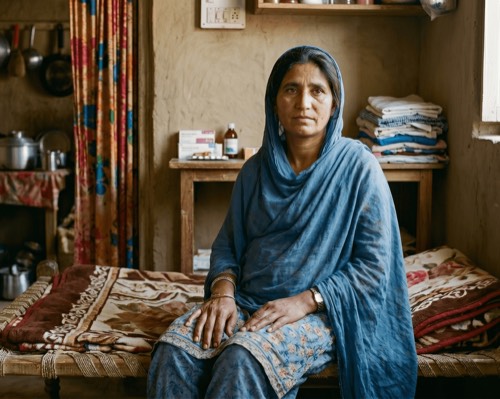
The Over-Burdened Labourer
Keep functioning so the household doesn't fall apart.
“I force myself to take my supplements so my health doesn't fail, but the workload and the money make it hard.”
Pains
A meagre income makes food and medicine a luxury.
Labour doesn't stop for fainting spells or pain.
Deep anxiety from a traumatic obstetric history.
Gains
Anything that lets her keep doing her work.
Nominal-cost clinic meds that feel manageable.
Reassurance the baby will be born healthy.
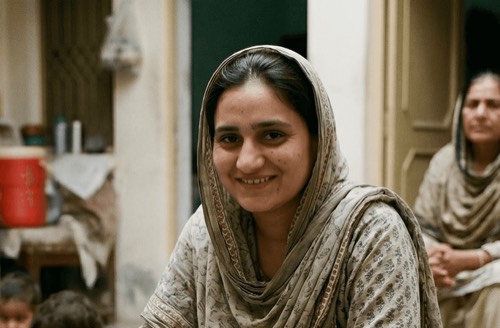
The Influenced Skeptic
Avoid complications and harsh pain.
“I'm scared of medicines, so I try to keep my diet healthy, but it's hard to afford meat and fruit.”
Pains
Belief that supplements make the baby “too large.”
Stops the moment she feels any side effect.
Decisions sit with a mother-in-law, not her.
Gains
Natural substitutes she trusts, like milk or lemon water.
Formats that feel like a drink, not a “scary pill.”
Rest, when an elder is supportive.

The Anxious First-Time Learner
Get through a first pregnancy safely.
“I try to follow medical advice so I know things are going well, but money and the walk to the clinic are hard.”
Pains
Can't swallow large pills; iron smell triggers nausea.
High fear of loss and of a traumatic delivery.
Too shy to ask the doctor direct questions.
Gains
An elder who manages her schedule and explains things.
Strong motivation to protect the baby's development.
Family involvement that lets her rest.
Where a dose has to fit
For an experienced mother, health is managed reactively, around labour that never pauses. Mapping a real day showed the few narrow windows where a supplement could realistically land: only two or three in a fourteen-hour day, and most depend on someone else remembering, or on a supply she may not have.
6:00, Fajr: wakes for prayer, severe morning sickness. No dose.
7:00, Breakfast: cooks for the children; may take folic acid or iron after eating, if she remembers and owns it.
9:30, Chores: washing, sweeping, numbness, shortness of breath. No dose.
2:00, Rest: a short moment to herself before the children return. No dose.
4:00, Clinic: walks 20–30 minutes in heat for an IV drip; collects 3–5 days of supplements.
9:30, Night: in-laws “keep the pill in her hand” as a reminder; iron or folic acid, prompted by family.
The path from symptom to dose, or not
For irregular users, supplement decisions are reactive. Mapping the path showed where the product loses them: at the doubts, and at the moment the free supply runs out.
Triggers: full exhaustion or weakness, a test showing low iron, a doctor's warning about the baby.
Doubts: cultural belief the baby will be harmed, side effects like heartburn and body heat, and “when it runs out, who pays for the next?”
Options weighed: home remedies like dates, fruit, and milk; short-term relief like an IV drip; free clinic meds such as folic acid and Calc-C.
Decision: choose immediate relief over a long course, lean on self-knowledge and what's free, and weigh it all against cost and a doctor's word.
Design recommendations
Make it feel like a drink, not a drug: the effervescent sachet was loved because it felt like juice, not medicine; skeptical women accepted it where they refused pills.
Design for colour, not names: women recognise “the small yellow tablet” and “the black one,” never brands. Colour and shape carry recognition and recall.
Treat price as a feature: the ~150 Rs folic acid was “one of the few they can afford.” Cost is the adherence gate, not an afterthought.
Anchor to a ritual: doses tied to breakfast or sleep stuck; stored out of sight meant forgotten, so visible storage matters as much as the pill.
Shrink the pill, or pour it: large capsules caused real fear of swallowing; smaller forms and syrups kept women on a course they'd otherwise abandon.
Win the household, not just the woman: awareness was entirely family-driven. If a sister or mother-in-law hadn't heard of it, she never started. Endorsement is the activation lever.
Outcome
The findings pointed at the product, not just the messaging. Six specific, research-grounded recommendations, covering format, recognition, price, ritual, pill size, and household activation, turned into a design brief a health foundation could act on directly, not a generic call for better reminders.
66+
Participants
3
Personas to design against
3
Countries in wider study
More Work
06
National Family Health Brand Testing
07
Climate Finance Accelerator Launch
08
Impetus Advisory Group Website

09
What She Carried
10
Biofutures: Design Thinking for the Planet and Beyond
11
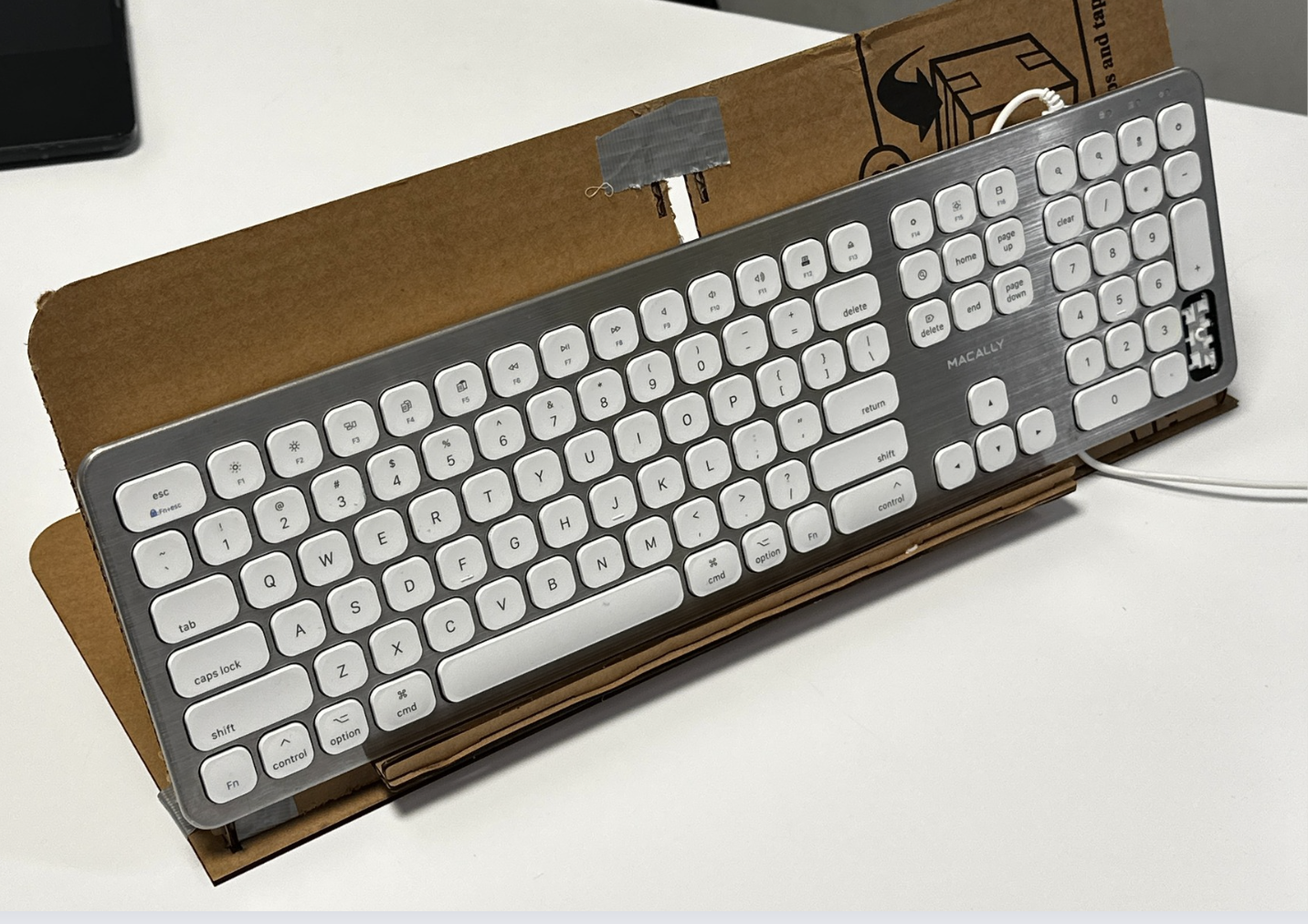
ToeTapText
01
MMBL Dost App Redesign
02
HealthOps Reporting Dashboard
03
Flyve: Running for Everyone
04
Max: Gaming Community Platform