06 · UNICEF × Ideate Innovation, with an external partner
National Family Health Brand Testing
Qualitative brand testing for a national integrated family and child health service in Pakistan, tested through names, logos, imagery, and message tone.
- Sector
- Health Communication / Brand Research
- Role
- Design Researcher & Facilitator
- Type
- Qualitative brand testing · Focus groups · Message testing
- Year
- 2025
- Tools
- 12 focus groups · brand asset testing
Delivered through Ideate Innovation, with an external research partner. The specific service, its commissioning body, and the external partner are not named; locations and results are withheld in line with the study's confidentiality terms. Instruments and methodology are summarised; no participant data is shown.
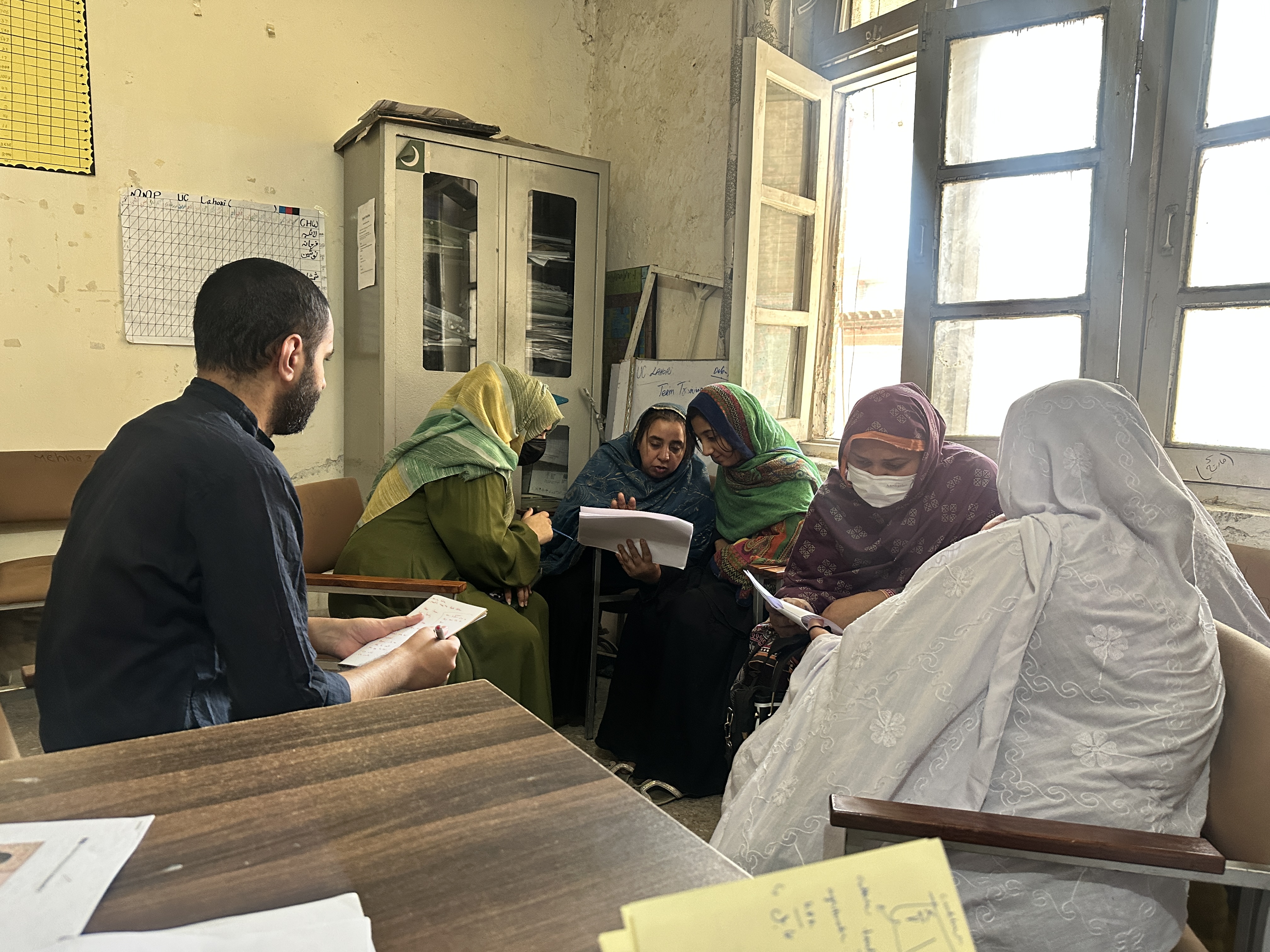 Fig. 06 · Health Communication / Brand Research
Overview
Qualitative brand testing for a national integrated family and child health service in Pakistan, run service-agnostic (no mention of health programmes) to find which identity caregivers and the public would actually trust, tested through names, logos, imagery, and message tone.
The Problem
A national health brand cannot be validated in a studio. The study existed to find out which identity caregivers and the public would actually trust, tested with no mention of health programmes, to strip out any past associations from the read.
Approach
- 01
Ran 12 focus groups of 6–8 participants across four provinces (Sindh, Punjab, KP, Balochistan), split between female caregivers, male caregivers, and frontline health workers, two hours per session.
- 02
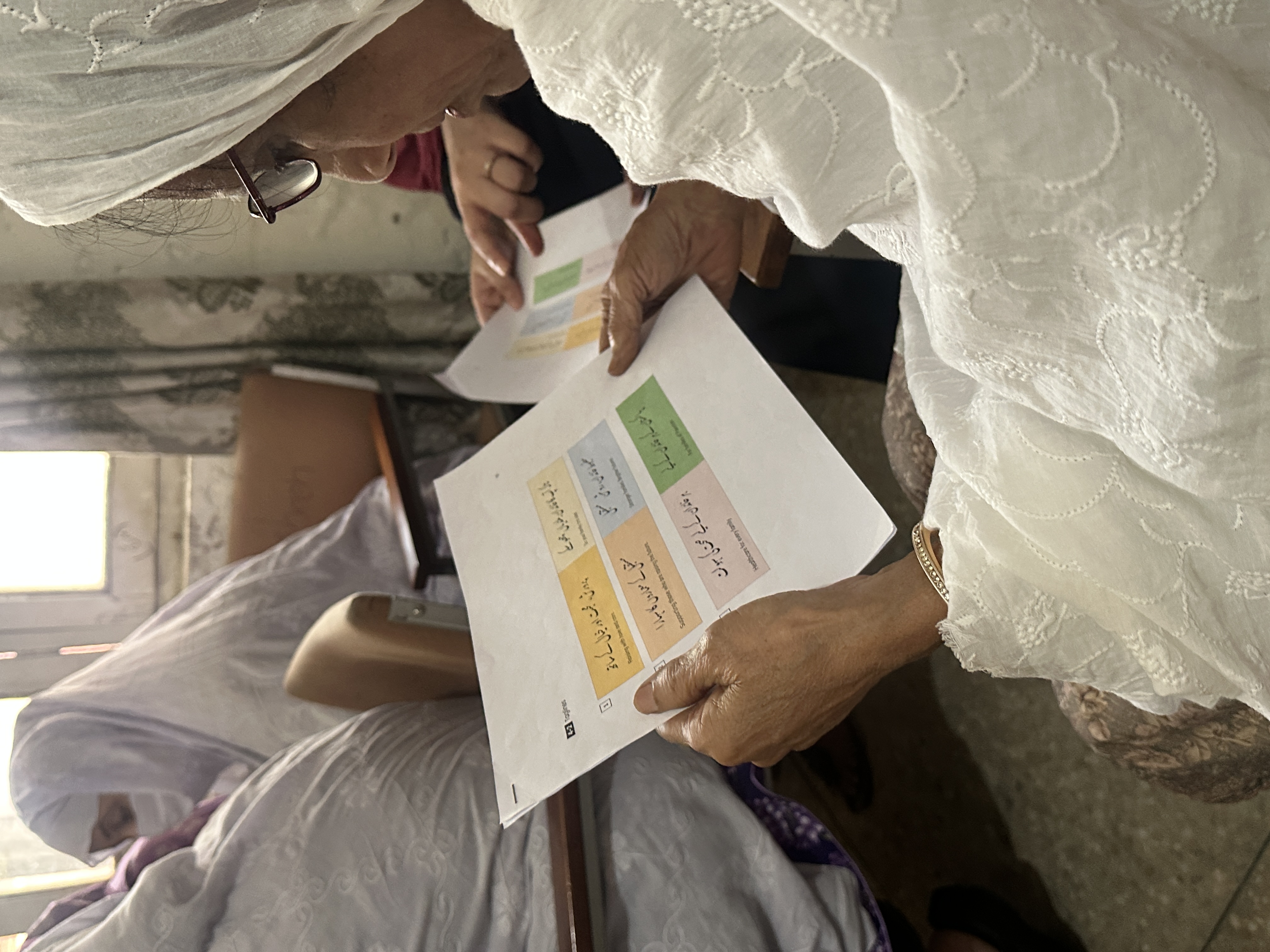
Tested image moodboards (illustration vs. real photography, traditional vs. modern tone), then names, logos, and taglines by sticker vote, in combination rather than in isolation.
- 03
Tested message tone across three sets, each built on a different behavioural principle (social norms, trust and authority, emotional appeal), ranked blind, then rated the assembled identity on emotion cards and an engagement ladder.
The sampling frame
Twelve groups, one province each, split by gender and by whether the area had high or low rates of child healthcare access, two hours per session. Locations are withheld and the external partner is unnamed.
Female caregivers: 6–8 per province across Sindh, Punjab, KP, and Balochistan.
Male caregivers: 6–8 per province across Sindh, Punjab, KP, and Balochistan.
Frontline health workers: 6–8 per province across Sindh, Punjab, KP, and Balochistan.
Tested on paper, in the facility
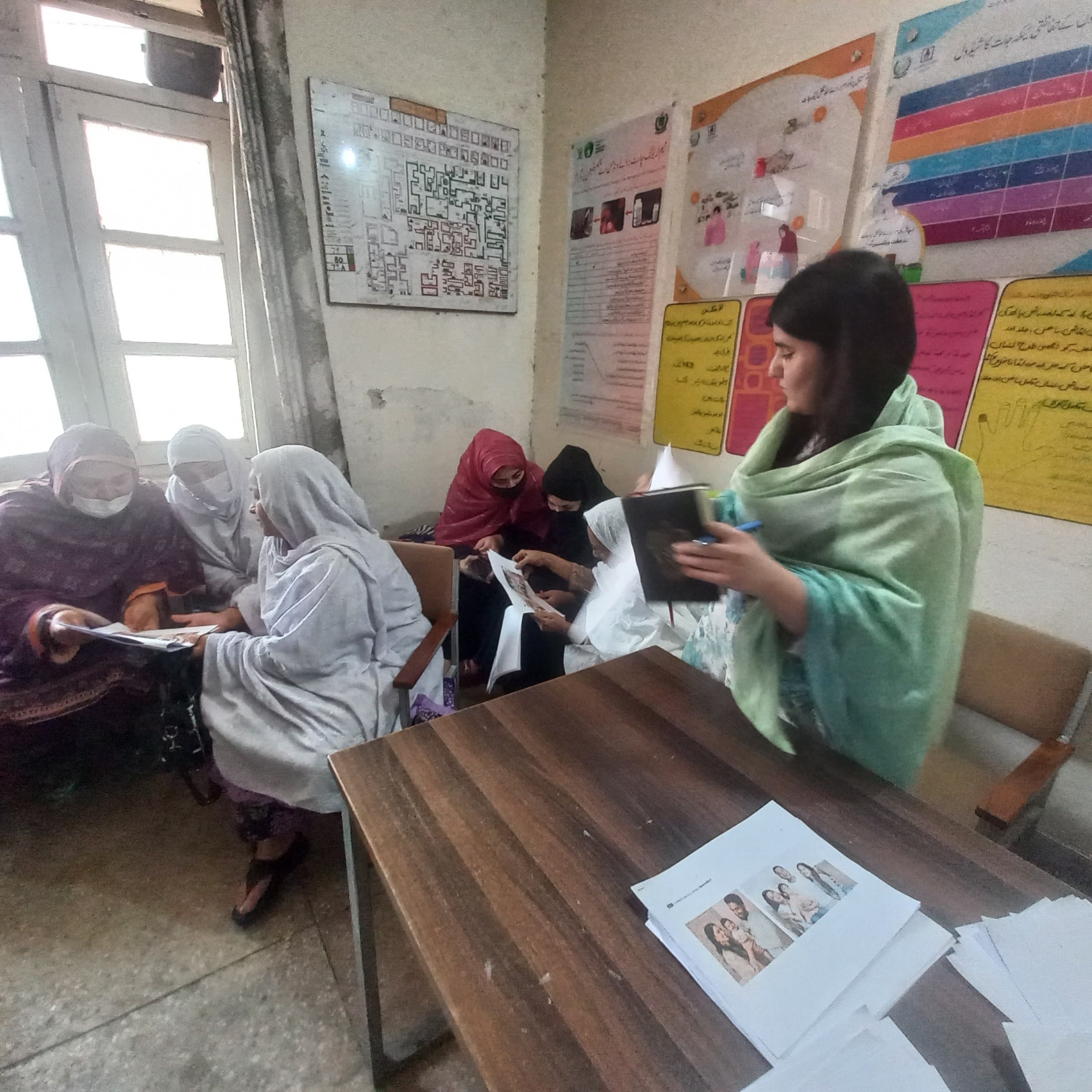
Sessions ran in union council health facilities across four provinces. Sticker voting on printed sheets, one pair at a time, so a name or image was never rated in isolation from the rest of the identity.
Image moodboards: illustration against real-life photography, traditional against modern.
Names, logos, taglines: sticker-voted in combination, then matched to each other, so the pairing was tested, not just the parts.
Message tone: three sets, each built on a different behavioural principle, ranked blind.
The whole thing, assembled: integrated posters rated on emotion cards, then an engagement ladder to gauge an appropriate call to action.
Outcome
The specific identity, names, and recommendations that came out of this study are confidential and not reproduced here. What is shown is a repeatable method: validate a national health identity the same way you'd validate a product, in the field with the people who have to trust it, stripped of the programme associations that would otherwise bias the read.
12
Focus groups
4
Provinces
6–8
Participants per group
More Work
07
Climate Finance Accelerator Launch
08
Impetus Advisory Group Website
09
What She Carried
10
Biofutures: Design Thinking for the Planet and Beyond
11
ToeTapText

01
MMBL Dost App Redesign
02
HealthOps Reporting Dashboard
03
Flyve: Running for Everyone
04
Max: Gaming Community Platform
05
Maternal Health Supplement Research